
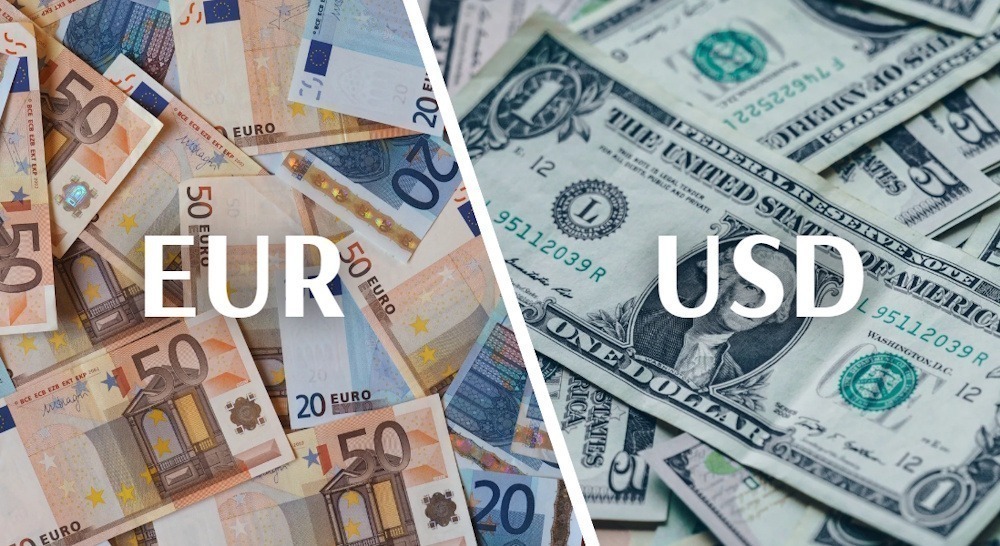
The EUR/USD experiences slight increases of 0.12% late on Tuesday in the North American session, reflecting an improvement in risk appetite. Anticipation for an additional Fed rate cut in December, coupled with the Eurozone’s high inflation figures, sustains demand for the shared currency. The EUR/USD is currently positioned at 1.1625, having rebounded from daily lows of 1.1591.
The EUR/USD pair is experiencing an upward movement, driven by enhanced risk appetite and expectations of Federal Reserve easing, which continue to exert pressure on the Dollar. The recent Eurozone inflation figures displayed a mixed outcome, exerting minimal influence, whereas ongoing geopolitical tensions in Eastern Europe continue to pose a downside risk. Traders are closely monitoring the upcoming Eurozone PMIs and US Services data, reflecting on the recent weaker US manufacturing figures and the softening trends in the labor market.
> The Euro has gained ground as market participants assign an 87% probability to a Federal Reserve rate cut in December, coinciding with a slowdown in US economic data momentum : Market concluded the trading day with positive results, and the cryptocurrency market is exhibiting signs of a rebound. The Dollar experienced a decline late in the day as US President Donald Trump, during a press conference, described Kevin Hassett as a “potential” Fed Chair. The limited economic calendar in the US left traders reflecting on Monday’s ISM Manufacturing PMI report, which indicated a slowdown in business activity for November, alongside rising prices and a cooling jobs market. The probability of a 25 basis points rate cut by the Fed at the December meeting is currently assessed at 87%, which could serve as a supportive factor for the Euro. In the Eurozone, the inflation data presented a mixed picture, yet it exerted minimal influence on the EUR/USD exchange rate. The ongoing hostilities in Eastern Europe present downside risks for the Euro. Russian President Vladimir Putin stated that Europe’s demands are unacceptable and remarked that if they wish to engage in conflict, “we are ready now.” This week, the Eurozone schedule includes the HCOB Flash PMIs for November, the Producer Price Index for the region, and addresses from European Central Bank officials. In the US, the upcoming schedule includes the S&P and ISM Services PMIs, followed by Challenger Job Cuts and Initial Jobless Claims on Thursday.
Latest FX Rate Trends : EUR/USD experiences a significant rise as inflation escalates
- The preliminary reading of the Harmonized Index of Consumer Prices in the Eurozone increased by 2.2% year-over-year in November, up from 2.1% in October, contrary to expectations for a stable reading. Core HICP remained unchanged at 2.4% YoY, falling short of expectations for an increase to 2.5%.
- The ISM Manufacturing PMI decreased to 48.2 in November, down from 48.7 in October, indicating the ninth straight month of contraction. The employment sub-index experienced a further decline, decreasing from 46 to 44, whereas the Prices Paid component increased to 58.5 from 58, falling just short of the anticipated 59.5.
- The announcement by US President Trump regarding the naming of Powell’s successor in early 2026 resulted in a temporary strengthening of the Dollar. However, Trump later announced he had narrowed his choice down to one, subsequently introducing Hassett as the “potential” next Fed Chair, which led to a decline in the Dollar.