
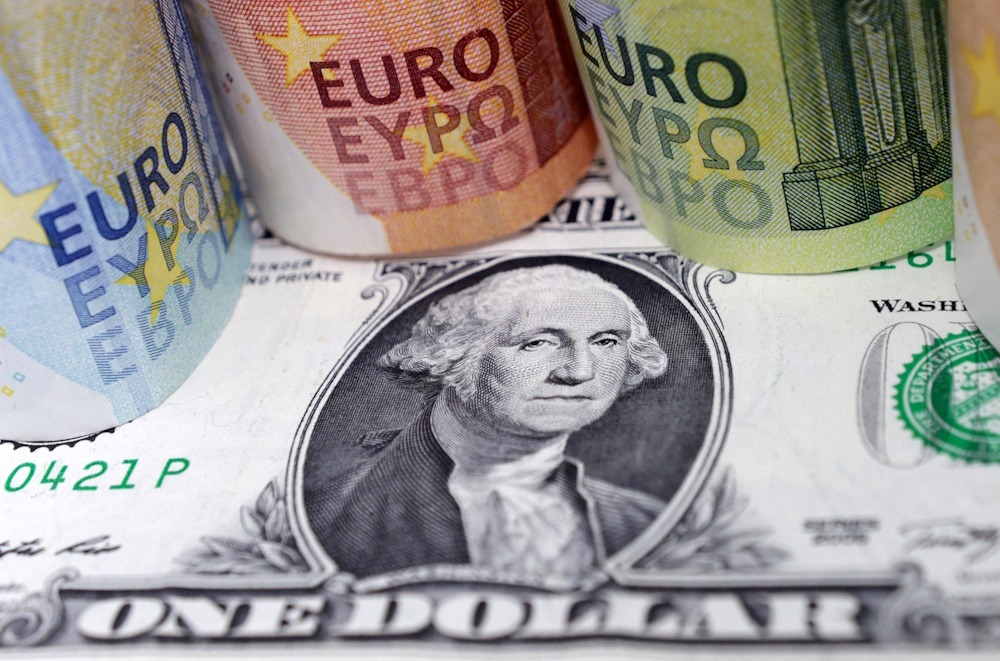
EUR/USD eases to approximately 1.1560 during the early Asian session on Monday. Iran has stated that it will strike the energy facilities in the region should the US or Israel target power plants. Market participants anticipate that the ECB will implement an interest rate increase as soon as April, driven by escalating inflation concerns stemming from energy disruptions. The EUR/USD pair experiences a decline, trading near 1.1560 in the early hours of the Asian session on Monday. The Euro weakens against the US Dollar as heightened geopolitical tensions in the Middle East have spurred volatility and weighed on riskier assets. Officials from the European Central Bank are scheduled to address the public later on Monday.
Market participants exhibit a heightened aversion to risk in response to the intensification of conflict in the Middle East. US President Donald Trump stated on Saturday that they will “obliterate” Iran’s power plants, beginning with the largest one, if they do not open the Strait of Hormuz within 48 hours. Additionally, US Treasury Secretary Scott Bessent stated on Sunday that at times, one must escalate in order to de-escalate. Iran issued a warning regarding potential strikes on energy facilities in the Middle East following Trump’s threats to target the nation’s power plants should Tehran fail to allow access to the crucial Strait of Hormuz.
The ECB opted to maintain interest rates at its recent monetary policy meeting on Thursday, citing that the conflict in Iran has rendered the outlook “significantly more uncertain.” Policymakers indicated that the conflict has introduced “upside risks for inflation and downside risks for economic growth,” leading traders to increase their expectations for possible ECB rate hikes in the near future.