
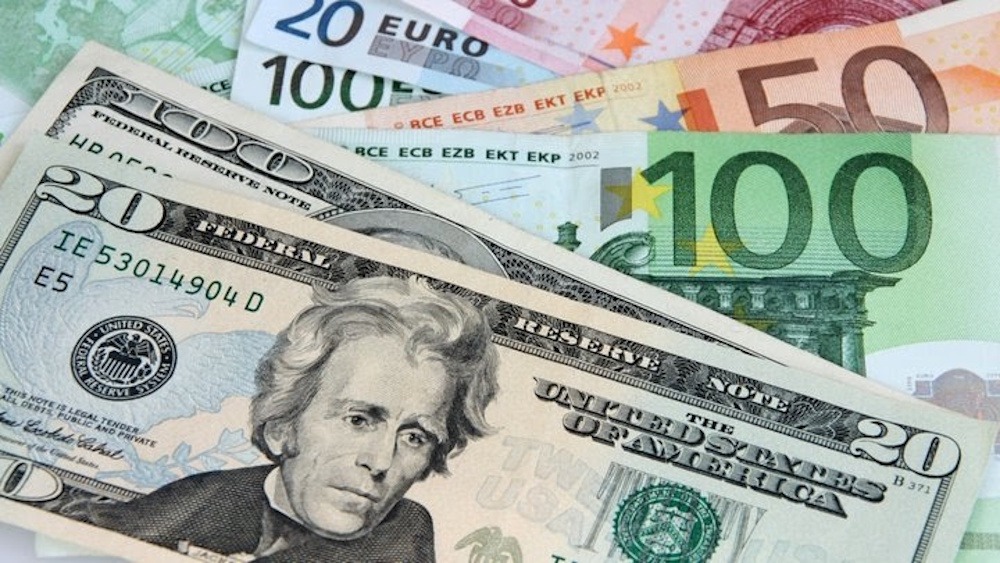
EUR/USD experiences a decline, settling near 1.1620 during the early Asian trading session on Tuesday. The current situation in the Middle East bolsters the US dollar, recognized as a safe-haven currency. Increasing oil prices lead traders to reevaluate the outlook for ECB monetary policy. The EUR/USD pair declines to approximately 1.1620 in the early hours of the Asian session on Tuesday. The US Dollar is experiencing a slight increase against the Euro amid concerns that an extended conflict in the Middle East may impact global energy supplies and hinder economic growth.
The Islamic Revolutionary Guard Corps of Iran stated that the decision regarding the conclusion of the war will be made by Tehran, not by the United States. The IRGC has issued a warning that ongoing attacks from the US and Israel may lead Iran to obstruct oil exports in the region. In a recent statement, US President Donald Trump indicated that he intends to lift oil-related sanctions, arrange for the US Navy to escort tankers through the Strait of Hormuz, and expressed optimism that the conflict with Iran would come to a resolution “very soon.”
The ongoing uncertainty and lack of resolution between the US and Iran persist in strengthening a safe-haven currency like the Greenback, presenting challenges for the major pair. Given Europe’s status as a significant net importer of energy, an increase in crude oil prices may lead to elevated inflation levels in the region, simultaneously exerting pressure on economic growth and heightening the risks of stagflation.
Current market expectations suggest that the European Central Bank may implement as many as two 25-basis-point rate hikes this year, a shift from previous forecasts that anticipated rates would stay steady until 2026, as reported.