
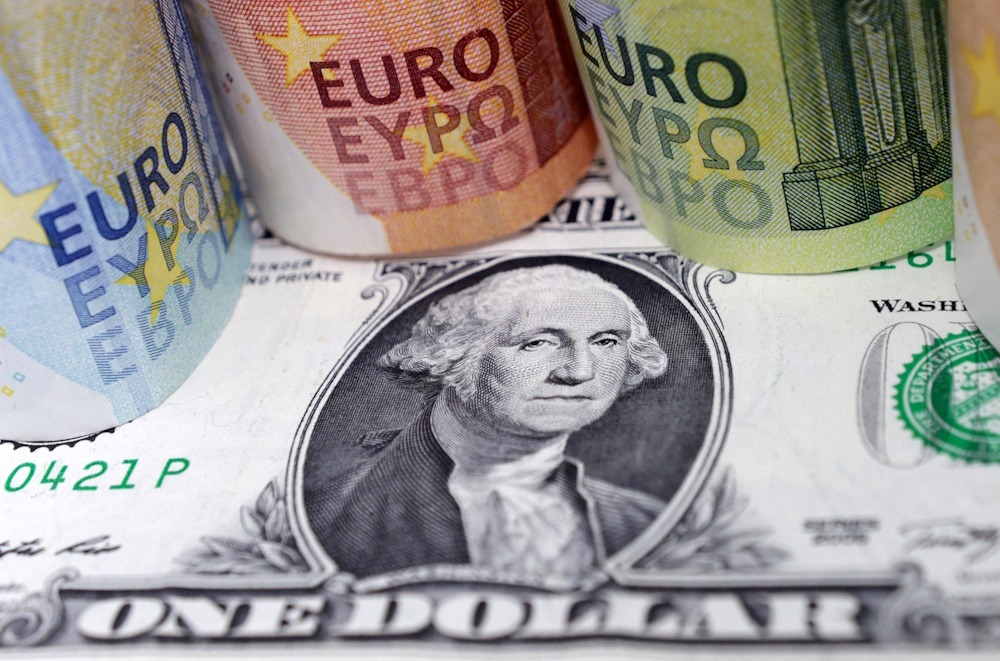
EUR/USD is currently consolidating beneath the 1.1500 level, indicating a trajectory towards its weakest monthly performance since July. In March, consumer inflation in the Eurozone increased at a rate that fell short of projections. Market expectations regarding ECB rate hikes continue to hold, as price pressures remain significantly above the bank’s 2% target. The EUR/USD’s modest recovery efforts observed earlier on Tuesday have been limited beneath 1.1490, prior to the announcement of weaker-than-anticipated Eurozone Harmonised Index of Consumer Prices data. The release exerted downward pressure, causing the pair to remain around two-week lows at 1.1465, positioning it for an approximate 3% decline in March.
On Tuesday, preliminary Eurozone inflation data indicated that consumer inflation increased by 2.5% year-on-year in March. This figure fell short of market expectations, which anticipated a 2.7% rise, but it was significantly higher than the 1.9% recorded in February. In March, consumer inflation increased month-on-month to 1.2%, which is double the 0.6% recorded in February. The core HICP, excluding the seasonal fluctuations of food and energy prices, unexpectedly declined to a 2.3% year-on-year rate in March, falling short of market expectations for a consistent 2.4% reading.
The influence on the Euro remains constrained, as this information does not alter the perspective that the European Central Bank is likely to increase interest rates in the near future, most likely during their April meeting. Consumer prices in the Euro Area have surged significantly beyond the ECB’s 2% target and are poised for further increases, driven by rising energy costs in the wake of the Iran war shock. ECB President Christine Lagarde reaffirmed that perspective last week, indicating that the central bank stands prepared to elevate interest rates if the anticipated rise in Eurozone inflation turns out to be more than just a fleeting occurrence.
Meanwhile, the ongoing conflict in the Middle East persists, creating uncertainty in financial markets and providing a competitive edge to the safe-haven US Dollar. A report from the Wall Street Journal indicated that US President Trump may be considering the possibility of concluding the war in the near future, despite the ongoing closure of the Strait of Hormuz. Publicly, Trump has maintained his stance to destroy Iran’s energy sites if Tehran fails to open the crucial waterway, while Iranian officials have labeled US peace proposals as “unrealistic.”