
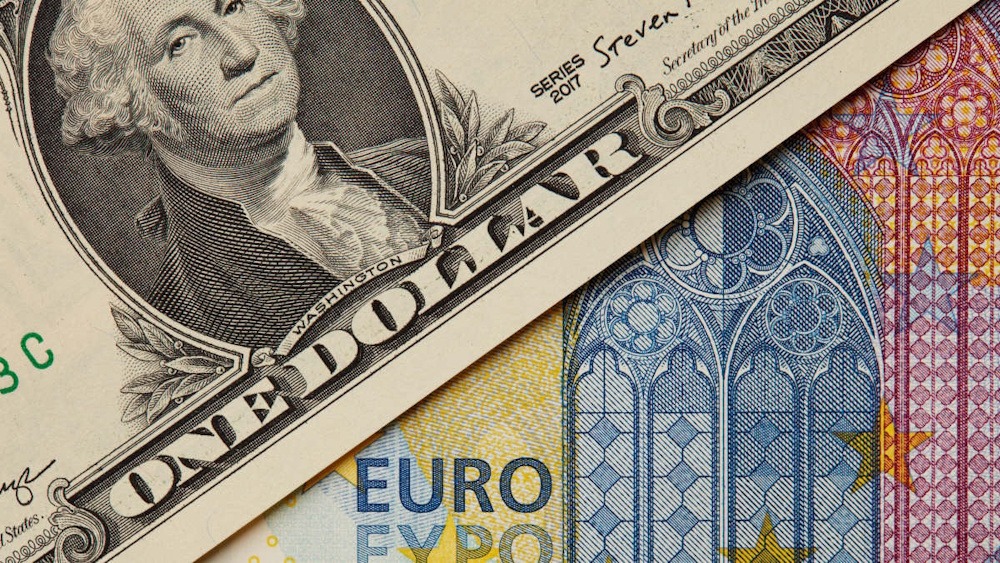
The EUR/USD pair is showing an upward movement, trading near 1.1520 during the early Asian session on Friday. Iran’s new supreme leader Khamenei has pledged to continue obstructing the Strait of Hormuz. The Federal Reserve is anticipated to maintain the current interest rates during its forthcoming policy meeting next week. The EUR/USD pair maintains a favorable position close to 1.1520 in the early hours of trading on Friday in Asia. Nonetheless, the possible gains could be constrained due to rising geopolitical tensions in the Middle East. The January report for the US Personal Consumption Expenditures Price Index will attract significant attention later on Friday.
Rising oil prices may create selling pressure on the shared currency, given that the Eurozone is a significant net importer of energy, which renders its economy particularly susceptible to “stagflationary” shocks. Iran’s new supreme leader, Mojtaba Khamenei, stated that the vital Strait of Hormuz ought to remain closed and that Iran will persist in its attacks on neighboring countries in the Persian Gulf. Earlier this week, Israel announced a new series of strikes aimed at the Iranian capital, Tehran, while also targeting Hezbollah in Lebanon. Rising tensions in the Middle East could trigger a “rush into safe haven,” boosting the US Dollar and creating a headwind for the major pair.
Futures markets and economists expect the US Federal Reserve to maintain interest rates at its forthcoming policy meeting next week. The current range for the benchmark federal funds rate is 3.50% to 3.75%. The upcoming release of the US January PCE inflation data on Friday may provide insights into the trajectory of US interest rates. If the report indicates a weaker-than-anticipated result, this may lead to a decline in the Greenback’s value relative to the Euro.