
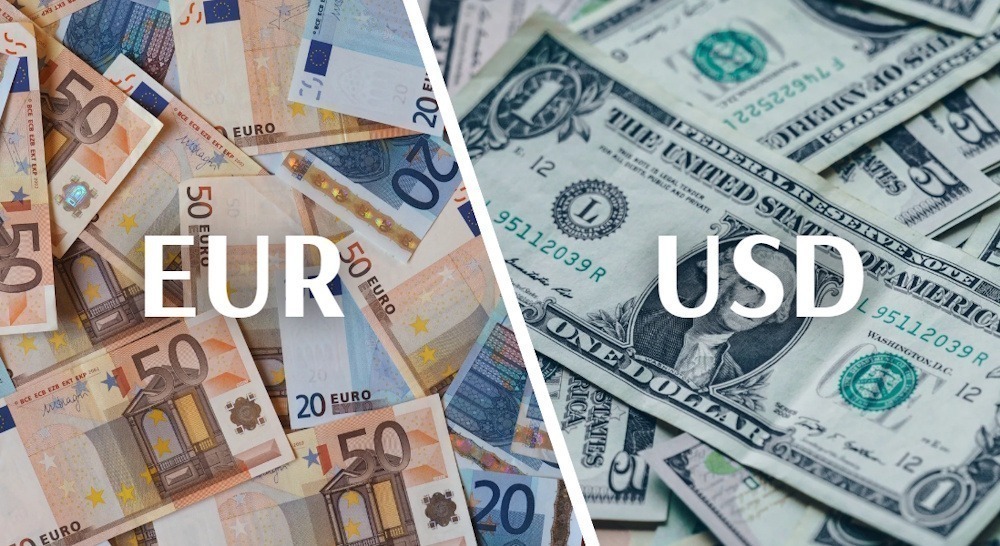
The EUR/USD pair is currently positioned in negative territory, trading around 1.1690 in the early Asian session on Friday. The Euro is experiencing a decline against the US Dollar as market participants exercise caution regarding the sustainability of a delicate two-week ceasefire between the United States and Iran. The upcoming US March Consumer Price Index inflation report will attract significant attention later on Friday.
Esmaeil Baghaei stated on Thursday that negotiations to conclude the war depend on the United States fulfilling its ceasefire obligations. He asserted that those commitments encompass a ceasefire in Lebanon, which the US and Israel maintain was not included in the agreement. US Vice President JD Vance, along with senior envoys Steve Witkoff and Jared Kushner, is set to engage in discussions in Pakistan this weekend regarding a potential long-term agreement with Iran. The current two-week cessation of hostilities seems to be maintaining its stability.
Nonetheless, the level of uncertainty in the Middle East continues to be elevated, with Israeli Prime Minister Benjamin Netanyahu stating that the nation will “continue to strike Hezbollah with force.” Ongoing tension in this region may strengthen a safe-haven currency like the Greenback, potentially creating challenges for the major pair in the short term. The US CPI inflation report for March is set to capture attention this Friday. The headline CPI is anticipated to increase by 3.3% year-over-year in March, up from 2.4% in February, primarily influenced by escalating oil prices resulting from the conflict in the Middle East. A softer-than-expected outcome may exert downward pressure on the USD relative to the EUR.
The European Central Bank has taken a hawkish stance, with policymakers indicating a possible shift towards additional tightening should price pressures continue to be a concern. Market participants have increased their positions, with current pricing reflecting expectations for two rate hikes and over a 50% probability of a third adjustment by December, as reported.