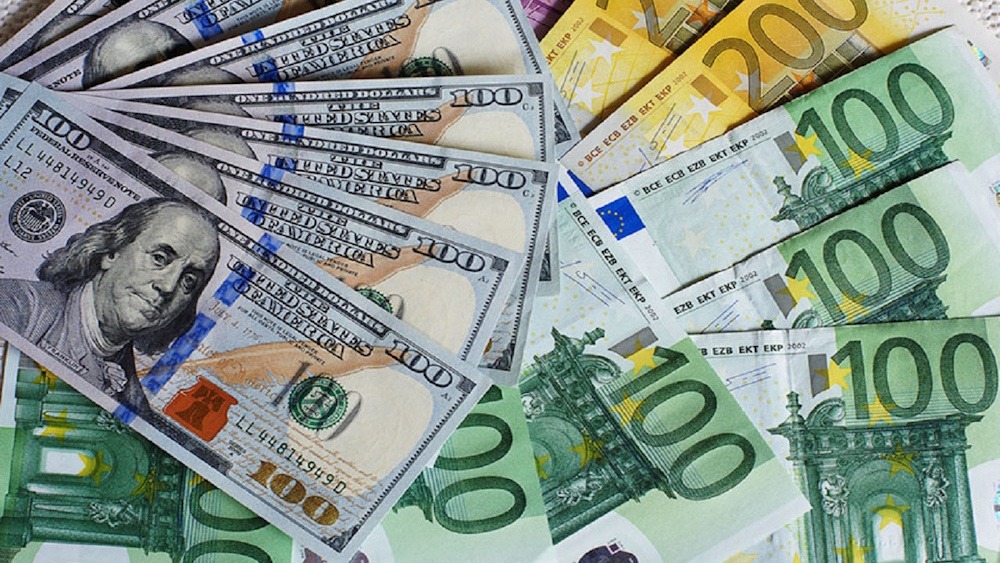
The EUR/USD pair experiences depreciation as tensions in the Middle East catalyse an increased demand for the robust US Dollar, often regarded as a safe haven in times of uncertainty. CENTCOM announced it successfully intercepted multiple Iranian missile and drone strikes targeting Kuwait and Bahrain. The US Dollar maintains its strength as the closure of the Strait of Hormuz drives up energy prices and inflation, resulting in the Federal Reserve sustaining elevated interest rates for an extended period. The EUR/USD pair experiences a slight decline after exhibiting minimal movement the day prior, currently trading at approximately 1.1630 during the Asian trading session on Wednesday. The pair depreciates as the US Dollar remains firm, driven by stalled US-Iran peace negotiations and renewed tensions in the Middle East, which continue to underpin safe-haven demand.
US Central Command announced Tuesday that it successfully thwarted a series of Iranian missile and drone strikes aimed at Kuwait and Bahrain. In light of the regional aggression, US forces conducted self-defence strikes targeting military installations on Iran’s Qeshm Island, according to reports. The closure of the Strait of Hormuz poses a significant risk of escalating energy prices, thereby exacerbating global inflationary pressures. This situation is likely to solidify market expectations that the Federal Reserve will sustain high interest rates for a prolonged duration. The US ISM Manufacturing PMI increased to 54 in May 2026, rising from 52.7 in the previous two months and surpassing expectations, indicating the most robust factory expansion since May 2022.
April JOLTS data revealed that job openings surged to a nearly two-year high of 7.6118 million, coinciding with a decline in layoffs. With strong manufacturing and employment data adding complexity to the inflation outlook, investors are now eagerly anticipating Friday’s Nonfarm Payrolls report for clear indications regarding the future direction of monetary policy. The Eurozone Harmonised Index of Consumer Prices increased by 3.2% year-on-year in May, up from the prior 3% and in line with market expectations. This persistent inflationary pressure maintains a strong focus on the forthcoming monetary policy decisions of the European Central Bank.
The Euro could gain ground amid recent hawkish comments from the European Central Bank members. ECB policymaker Olli Rehn emphasised that although long-term inflation expectations are stable, a rate adjustment in June should be interpreted as a precautionary ‘insurance hike. Moreover, fellow ECB member Gediminas Simkus noted that inflation expectations presently reflect levels observed four years prior. He strongly emphasised the critical need for the central bank to react in a timely manner to prevent further price pressures from solidifying.