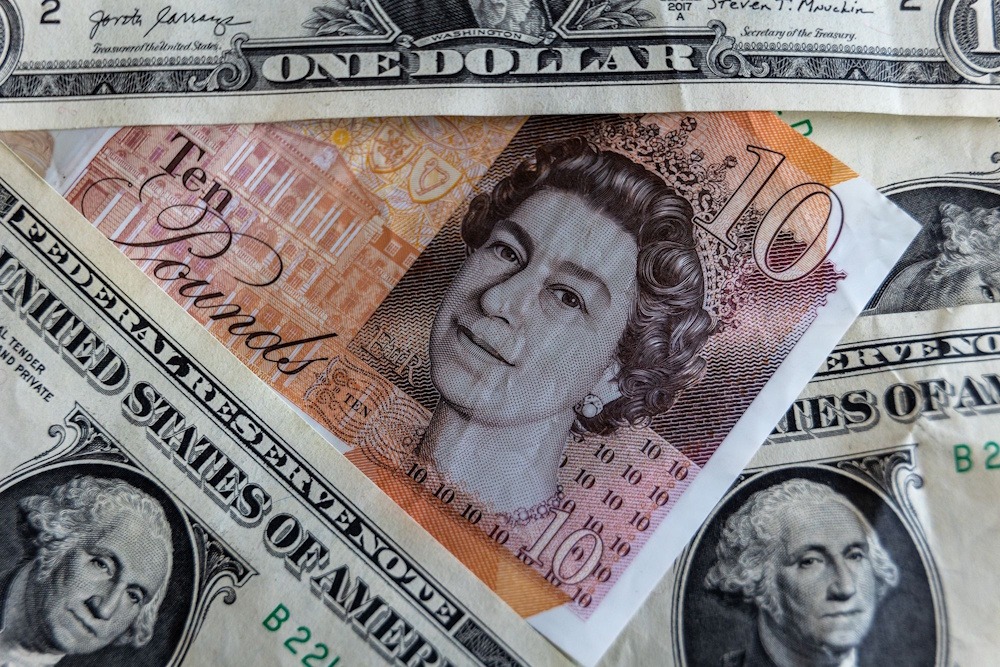
GBP/USD declines as a hawkish Federal Reserve pause and internal FOMC divisions strengthen the US Dollar. The Greenback may face challenges as easing risk aversion is influenced by recent diplomatic developments between the US and Iran. TD Securities observed a nuanced surprise from the Bank of England, as a 6-3 vote, featuring a hawkish dissent, resulted in the decision to maintain current rates. GBP/USD experiences a decline following three consecutive days of appreciation, currently trading near 1.3450 in the Asian session on Friday. The pair depreciates as the US Dollar gains support from a hawkish pause by the Federal Reserve and an internal FOMC policy split.
Strategists highlight that the US Federal Reserve “left interest rates unchanged for a fifth consecutive meeting, in line with expectations,” but stress that the “9-3 vote revealed a lively debate within the FOMC,” underscoring the extent of internal divergence over the appropriate policy path. The GBP/USD pair may regain ground as the US Dollar could face challenges amid easing safe-haven demand, driven by a reduction in global risk aversion spurred by positive diplomatic developments.
Tensions in the Middle East appear to be easing as discussions between the US and Iran advance, aiming to re-establish stability in the Strait of Hormuz. US President Donald Trump announced a significant agreement focused on the disarmament of Hamas and the withdrawal of Israeli forces from Gaza, a deal that has reportedly been validated by senior Hamas officials. According to TD Securities, the Bank of England’s latest decision delivered a modest surprise, with the BoE opting to keep rates unchanged in a “6-3 vote split with Mann also joining the rate hike camp.”
The bank notes that “this was not the market consensus,” even though “many forecasters including ourselves have flagged this as a risk.” Beyond the headline split, TD Securities stresses that “other than the vote split, it would appear to us the rest of the committee is still very comfortable keeping rates on hold, given the lack of clear second-round effects observed in inflation data.”