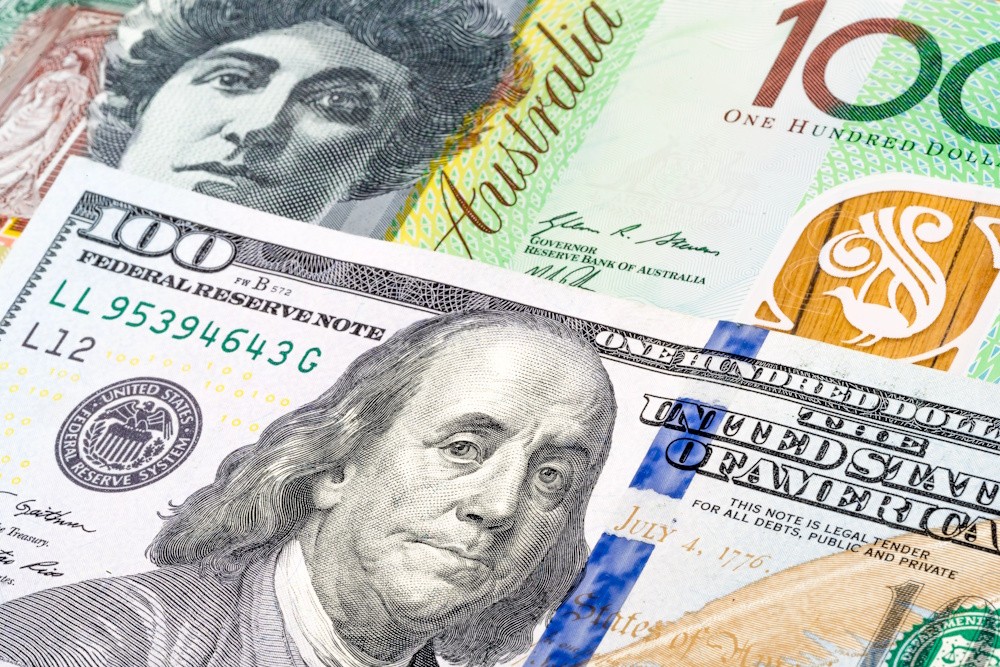
The Reserve Bank of Australia increased its cash rate by 25 basis points to 4.60%, aligning with market expectations. The US Dollar strengthens as rising oil prices intensify inflation worries, supporting the case for additional tightening by the Federal Reserve. The CME FedWatch Tool indicates a 70% probability of a Federal Reserve rate increase in October. AUD/USD has made gains after rebounding from earlier losses, currently trading near 0.7020 during the Asian session on Tuesday. The pair gains support as the Australian Dollar receives backing following the Reserve Bank of Australia’s decision to increase the Official Cash Rate by 25 basis points to 4.60% from 4.35% during its September monetary policy meeting. The decision was consistent with market expectations.
The AUD/USD pair experienced depreciation as the US Dollar strengthened, propelled by rising oil prices due to persistent uncertainty regarding US-Iran negotiations. Persistent pressure on energy costs has intensified market expectations that the Federal Reserve will need to implement additional tightening of monetary policy to maintain control over inflation. Escalating inflation concerns and the prospect of additional rate hikes have propelled US Treasury yields to new multi-year highs, with both the 10- and 30-year yields exceeding 5%.
Money markets are adjusting in response; after the Fed’s initial rate increase in three years earlier this month, the CME FedWatch Tool now indicates approximately a 70% likelihood of an additional rate hike in October. Market participants are currently concentrating on forthcoming US economic indicators to gain additional insights into the central bank’s policy direction. Critical data releases scheduled for later this week encompass Wednesday’s Personal Consumption Expenditures inflation report and Friday’s Nonfarm Payrolls report.
Strategists at Rabobank note that speculative positioning in the Dollar has exhibited minimal net variation, with “USD net longs largely unchanged as both long and short positions increased by 2,000 positions, respectively.” This indicates that although engagement in the market has increased on both sides of the trade, the overall confidence in the general direction of the Dollar remains largely unchanged.