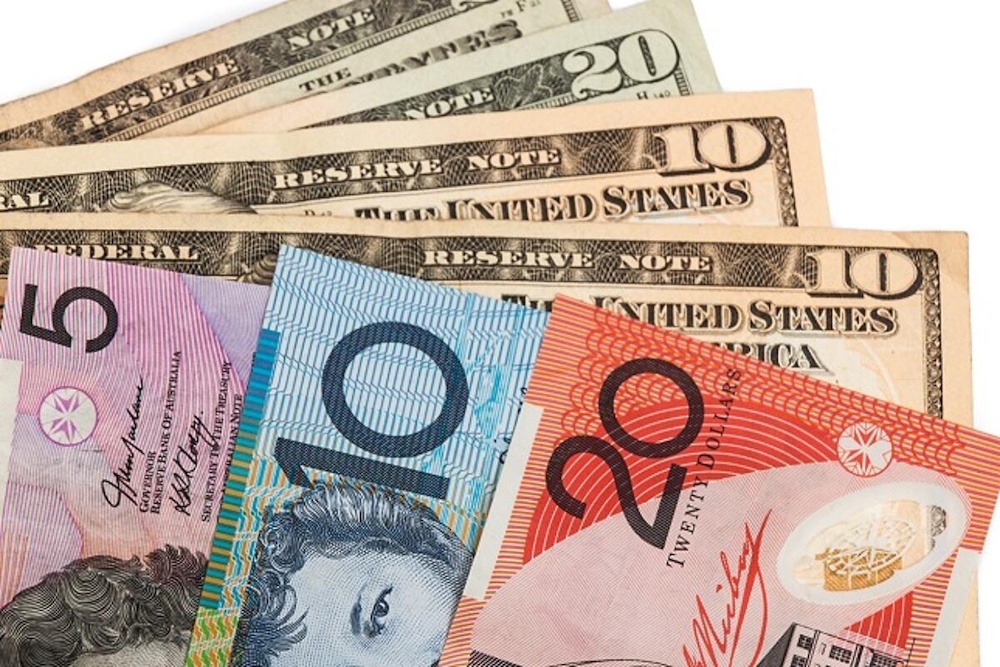
AUD/USD has experienced a decline of 0.88%, falling beneath the significant threshold of 0.6900. Core CPI increases by 0.3% month-over-month, prompting Waller to issue a warning regarding a potential 50-basis-point hike. Australian consumer confidence has declined by 2.7%, reaching a level of 78.2, in the context of tightening measures implemented by the Reserve Bank of Australia. The Aussie Dollar registers a 0.88% loss against the US Dollar on Tuesday, as a hot US inflation report has solidified the rationale for a rate hike by the Federal Reserve at the December meeting, following hawkish remarks by Governor Christopher Waller. The AUD/USD is currently positioned beneath the 0.6900 mark. The US Consumer Price Index increased by 0.4% month-over-month, a deceleration from the previous 0.6% rise, yet surpassing expectations of a 0.3% decrease.
Core CPI, which excludes volatile items and typically offers a clearer reading of inflation, rose 0.3% MoM-above forecasts of 0.2% and unchanged from September’s print-indicating that the disinflation has come to a standstill. The report corroborated the statements made by Fed Governor Christopher Waller, who indicated that should core CPI reach 0.3%, he would advocate for a rate increase of 50 basis points, asserting that “hiking only 25 basis points would put our credibility at risk, a risk I am not eager to take.” Recently, Fed Governor Michelle Bowman commented that persistent inflation and a firm labour market suggest that there is “still work to do.” Before her, Kansas City Fed President Jeffrey Schmid didn’t think the rate was restrictive last year, while Dallas Fed President Lorie Logan wants “more rapid rate hikes possibly needed this winter.”
In light of current conditions, money markets have completely accounted for a 25-basis-point rate increase in December, whereas the probability of a 50-basis-point hike stands at 10%, as indicated by the CME FedWatch Tool. In Australia, the data indicated a decline in consumer sentiment, reaching a four-year low in November following the rate increases implemented by the Reserve Bank of Australia throughout the year. The Westpac-Melbourne Institute survey’s main index of consumer sentiment decreased by 2.7%, reaching 78.2 in November. Ahead, the Australian economic docket is devoid of significant releases, mirroring the situation in the United States, where markets are closed in observance of the Veterans Day holiday. On the daily chart, AUD/USD is positioned at 0.6870, reflecting a bearish near-term sentiment as the spot price remains beneath the most recent triple simple moving average, which is approximately 0.7034, and also below a wider descending trend line that began near 0.8015. Price action remains positioned just above a series of ascending trend-line supports at 0.6865 and 0.6833.
The Relative Strength Index (14), hovering around 37, indicates a lack of momentum, rendering the pair susceptible to additional declines, with any potential recoveries likely constrained by the prevailing overhead structure. On the topside, initial resistance appears near the rising trend-line pivot around 0.6897, followed by the triple simple moving average at 0.7034. A more distant horizontal barrier is located at 0.7198, while the long-term descending trend line near 0.8015 reinforces the broader cap. On the downside, immediate support is provided by the nearer ascending trend line at 0.6865, followed by the next rising floor around 0.6833 and a deeper structural base from the longer-term uptrend starting at 0.6673, where buyers would be expected to show interest on a deeper pullback.