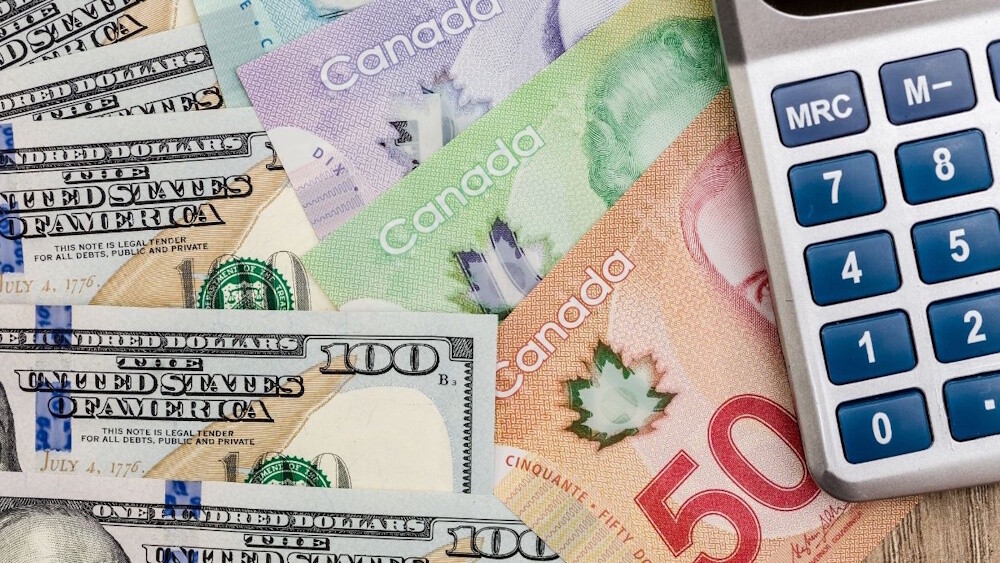
USD/CAD exhibits minimal movement as the rebound in WTI prices bolsters Canada’s export revenues. Democratic election victories have led to expectations of gridlock, while simultaneously fostering hopes for diplomacy with Iran, which in turn has contributed to a subdued safe-haven dollar. Market participants are closely monitoring crucial US employment figures to assess the Federal Reserve’s position on interest rates for December. USD/CAD experiences minimal movement following slight gains recorded the previous day, remaining around 1.4010 during the Asian trading session on Friday. The pair may experience a decline as the commodity-linked Canadian Dollar receives a boost from rising oil prices. As one of the largest oil producers globally and a significant exporter to the United States, Canada stands to gain directly from the upward trends in crude markets.
Higher oil prices typically bolster the CAD by enhancing the nation’s export revenues and terms of trade, while declining prices generally apply downward pressure on the currency. Meanwhile, West Texas Intermediate crude has gained traction as traders assess recovering Middle Eastern supplies alongside the geopolitical outlook following the US midterm elections. Crude prices continued their rebound following Wednesday’s decline, influenced in part by the Democrats securing control of both the House and the Senate. This political shift prompted speculation that US President Donald Trump might encounter heightened pressure to conclude the eight-month conflict with Iran. However, prospects for a swift resolution remain uncertain as market participants reassess whether the election outcomes will genuinely result in a rapid conclusion to the conflict.
Meanwhile, the USD/CAD pair remains steady as the US Dollar finds support in widespread market caution ahead of key economic data. Investors are closely monitoring the upcoming US Nonfarm Payrolls report, anticipated to significantly influence market expectations regarding the Federal Reserve’s policy decision in December. Countering that dollar support, recent declines in US bond yields and lingering hopes for diplomatic progress with Iran continue to place the safe-haven greenback at a disadvantage. Additionally, the Democrats’ victory has heightened anticipations of political gridlock in Washington, which may restrict government spending and ultimately result in a deceleration of economic growth.
Strategists caution against reading too much into the post-election Dollar weakness, warning that they “would be cautious about extrapolating the initial USD sell-off into a sustained decline.” They argue that while Democrats have secured control of Congress, this “does not mean unrestricted policy power,” with “major legislation” still “vulnerable to President Trump’s veto.” OCBC also underscores that Democrats “lack the two-thirds majorities in both chambers needed to override it,” suggesting that the scope for transformative policy shifts remains constrained and, by extension, limiting the case for a structurally weaker USD at this stage.