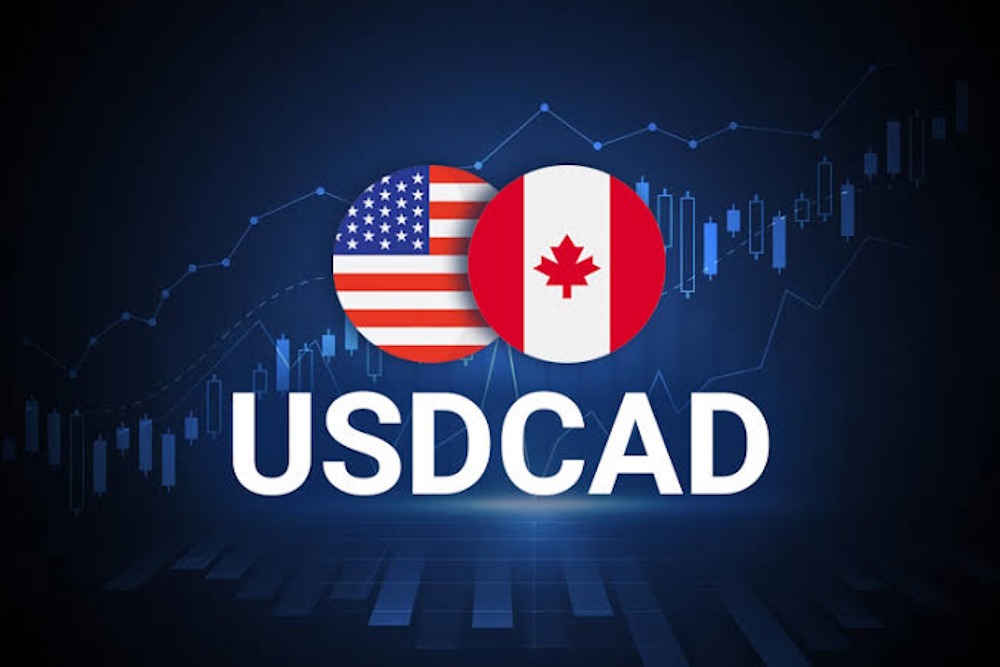
The US Dollar experienced a decline, attributed to concerns over political gridlock in the aftermath of a Democratic sweep during the midterm elections. Recent US economic data reinforces the Federal Reserve’s hawkish position, limiting the downside potential of the Greenback. The Canadian Dollar encounters difficulties due to declining crude oil prices, which restrict the downside potential of the USD/CAD pair. USD/CAD experiences a decline for the second consecutive day, currently trading near 1.3950 during the Asian session on Thursday. The pair depreciates as the US Dollar faced heavy selling pressure following a Democratic sweep in the midterm elections, which resulted in control of both houses of Congress. This outcome has raised concerns regarding potential political gridlock in Washington. Additionally, market expectations of a resolution to the Middle East conflict following the election outcome triggered a sharp drop in oil prices, adding further pressure on the Greenback.
However, the US Dollar’s decline may remain constrained as the robust domestic economic data bolstered expectations for Federal Reserve rate hikes. Private-sector employment increased by 86,000 in October, as reported by ADP, surpassing the anticipated 69,000. However, the figure for September was revised downward to 86,000 from the previously reported 90,000. Meanwhile, the ISM Services PMI decreased marginally to 54.5 from 54.9, falling just short of the anticipated 54.8, yet it continued to reside comfortably within the expansionary range. According to the CME FedWatch Tool, markets are currently pricing in a probability of nearly 82% for another rate hike in December. Investors are currently focusing on forthcoming US economic indicators, notably the weekly Initial Jobless Claims scheduled for Thursday and the Nonfarm Payrolls report set for Friday.
However, the downside of the USD/CAD pair could remain constrained as the commodity-linked Canadian Dollar experiences pressure from falling crude oil prices. As Canada ranks among the foremost oil exporters to the United States, a decline in energy prices exerts a direct influence on the value of the Canadian currency. Crude oil declines toward near one-month lows in the aftermath of a Democratic sweep in the US midterm elections, which has heightened market expectations that the forthcoming Congress will advocate for a de-escalation of the military conflict with Iran. President Donald Trump recognised that the Republican Party faced electoral setbacks primarily due to voter dissatisfaction stemming from escalating petrol prices associated with the ongoing conflict, while indicating no immediate intentions to broaden military operations.
A Democratic-controlled Congress is anticipated to scrutinise military funding for current operations in the Middle East, with Senate Democratic Leader Chuck Schumer clearly committing to advocate for a cessation of the war. Concurrently, crude exports from the Persian Gulf have begun to rebound, resulting in a market scenario where present supply surpasses immediate demand. Strategists observe that, despite recent gains, the Canadian Dollar is failing to keep pace with other major currencies. They note that the Loonie’s “relative performance is somewhat more underwhelming when compared to its peers, and highlights its role as a lower-beta risk and commodity currency,” reinforcing its tendency to move more cautiously than higher-beta FX counterparts even in supportive market conditions.